Most services sites say "experienced and thorough." Ours describes the operating system — the document chassis, the named-owner discipline, the no-surprises rule, the monthly cadence, the escalation protocol. Concrete, not aspirational. Predictable on purpose. The discipline doesn't change because the project does.
TD-T · TD-R · TD-B. Lenders learn our reports once and read them faster every month after.
Every Terra Development artifact lives in one of three canonical formats — TD-T (tracker), TD-R (report), TD-B (brief). The chassis is the same across projects, clients, and years. Same brand block, same typographic hierarchy, same place on page two for the question you came to answer. Risk-committee members spend their attention on the substance of the project, not on relearning a different format every month.
The chassis is set in code, not negotiated per engagement. We don't redesign the report when a new client signs. We don't soften the format when the news is hard. Same chassis means same quality floor — what looked right in month one is still what looks right in month thirty-six.
Not "team to follow up." Not "the GC will address." A name and a date, on every action item, every issue, every change-order.
The single easiest way for a project to decay quietly is for ownership to dissolve. "The team will handle it" becomes nobody handling it. "Will be addressed in the next meeting" becomes never-addressed. The defense is simple and non-negotiable: every action item carries a named owner and a date. Not a role, not a team — a person.
This is how the work survives turnover, vacations, and the long middle phase of a project where momentum naturally erodes. The lender, the sponsor, and we ourselves know who owns what, and when it's due. When something slips, the conversation has a subject. When something completes, the credit lands somewhere.
Material issues reach the lender between regular reports, not buried in them. The cost of a difficult conversation in week 32 is a fraction of the cost in week 64.
A pay application once crossed the desk that balanced to the penny — every line, retainage held, lien waivers attached, the kind of draw a committee approves in ninety seconds. Then someone walked the building. The third-floor framing was billed at eighty percent complete. It was sitting at forty. The drywall it was supposedly ready for hadn't even been ordered. Nothing in the paperwork was a lie, exactly — it was a story told in numbers, and the numbers had gotten ahead of the building. The money hadn't gone out yet. That ninety-second draw became the most expensive mistake the loan never made — because somebody read the building, not just the page.
That is the whole rule. The monthly oversight report is not the place a lender learns something material is wrong — by definition, if a problem can wait for the monthly, it isn't material. A schedule slipping past a threshold, contingency burning faster than plan, a change-order pattern, a subcontractor going quiet, a permit path stalling: each one triggers an off-cycle call. Same week, often same day.
We do not soften the language for the deck, and we do not bury a risk in optimistic narrative. Independent oversight earns its fee by delivering the hard conversation at the cheapest moment to have it — which is always earlier than feels comfortable. A difficult conversation in week 32 costs a fraction of the same conversation in week 64.
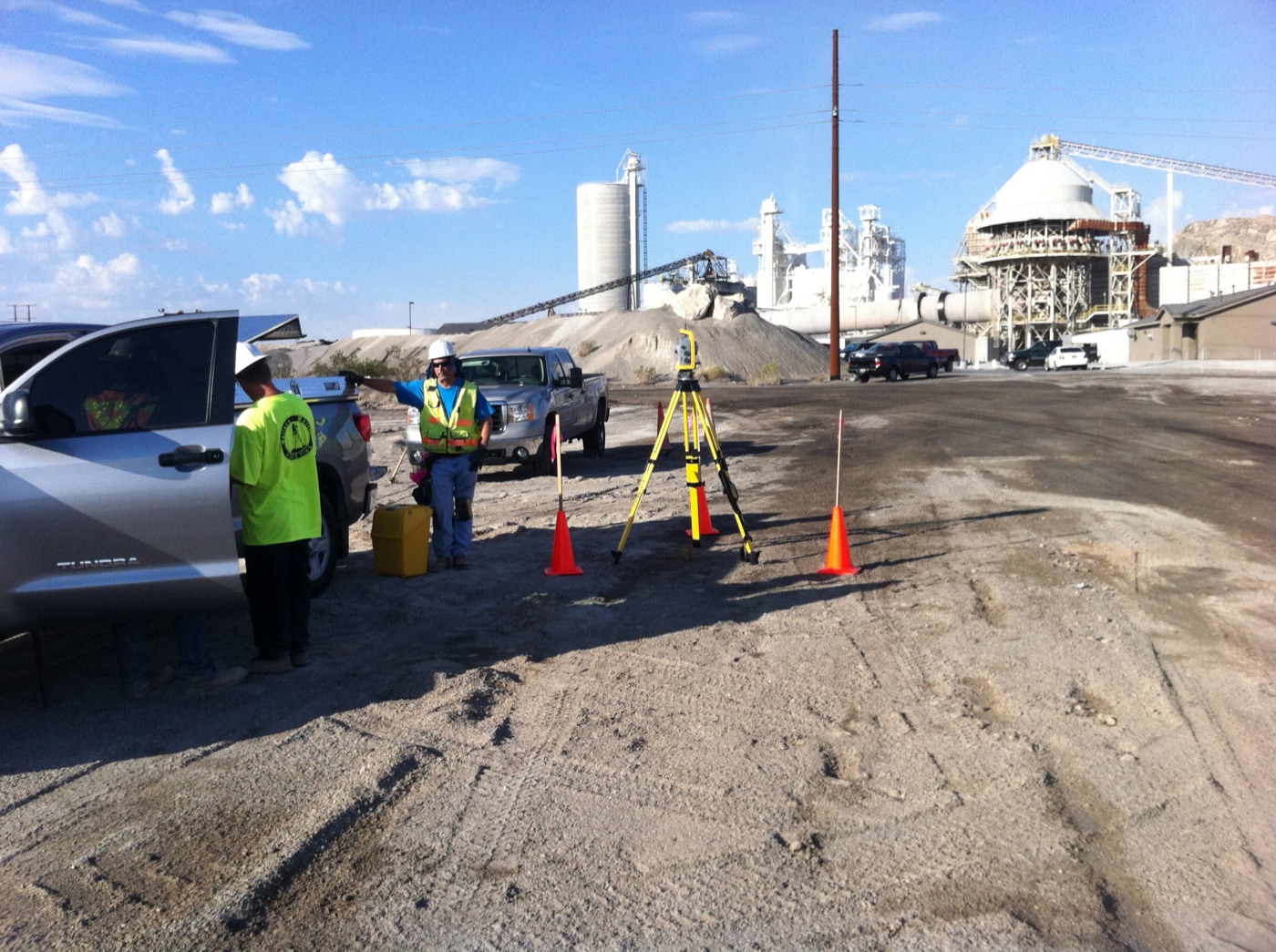
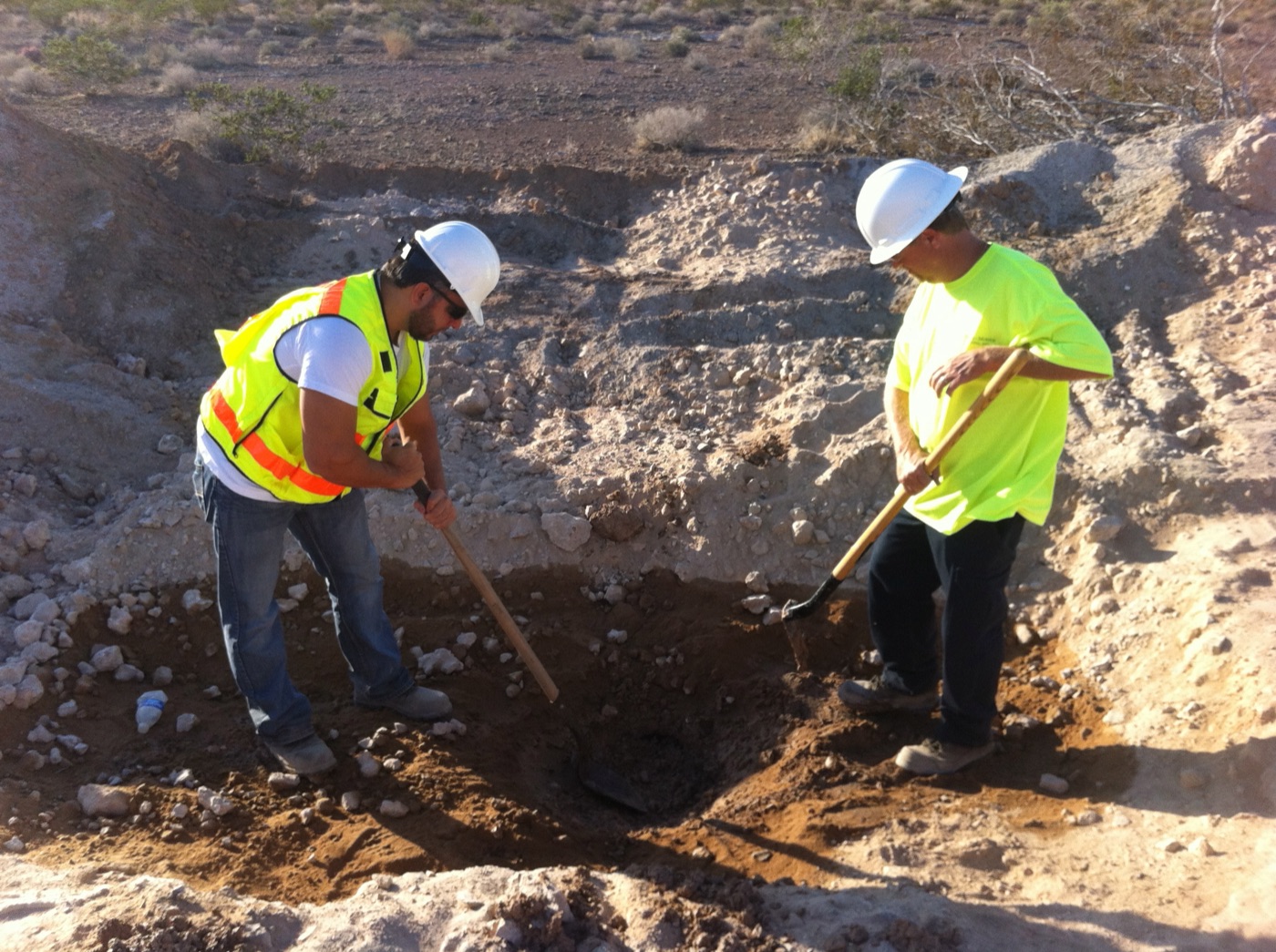
Read the building, not just the page.
Monthly oversight reports on a known date. Defined escalation protocol for everything else. The format never changes mid-project.
The monthly oversight report lands on the lender's desk on a predictable date — the same day each month, in TD-R format, with the same shape regardless of whether the news is routine or sharp. Between monthlies, a defined escalation protocol governs off-cycle communication. The lender always knows what to expect, and when to expect it.
The discipline of cadence isn't about strict periodicity — it's about removing the variable of "when will I hear something" from the lender's stack of concerns. What's left to think about is the substance of the project. That's where institutional capital wants its attention spent.
Concrete, not aspirational. The discipline doesn't change because the project does.